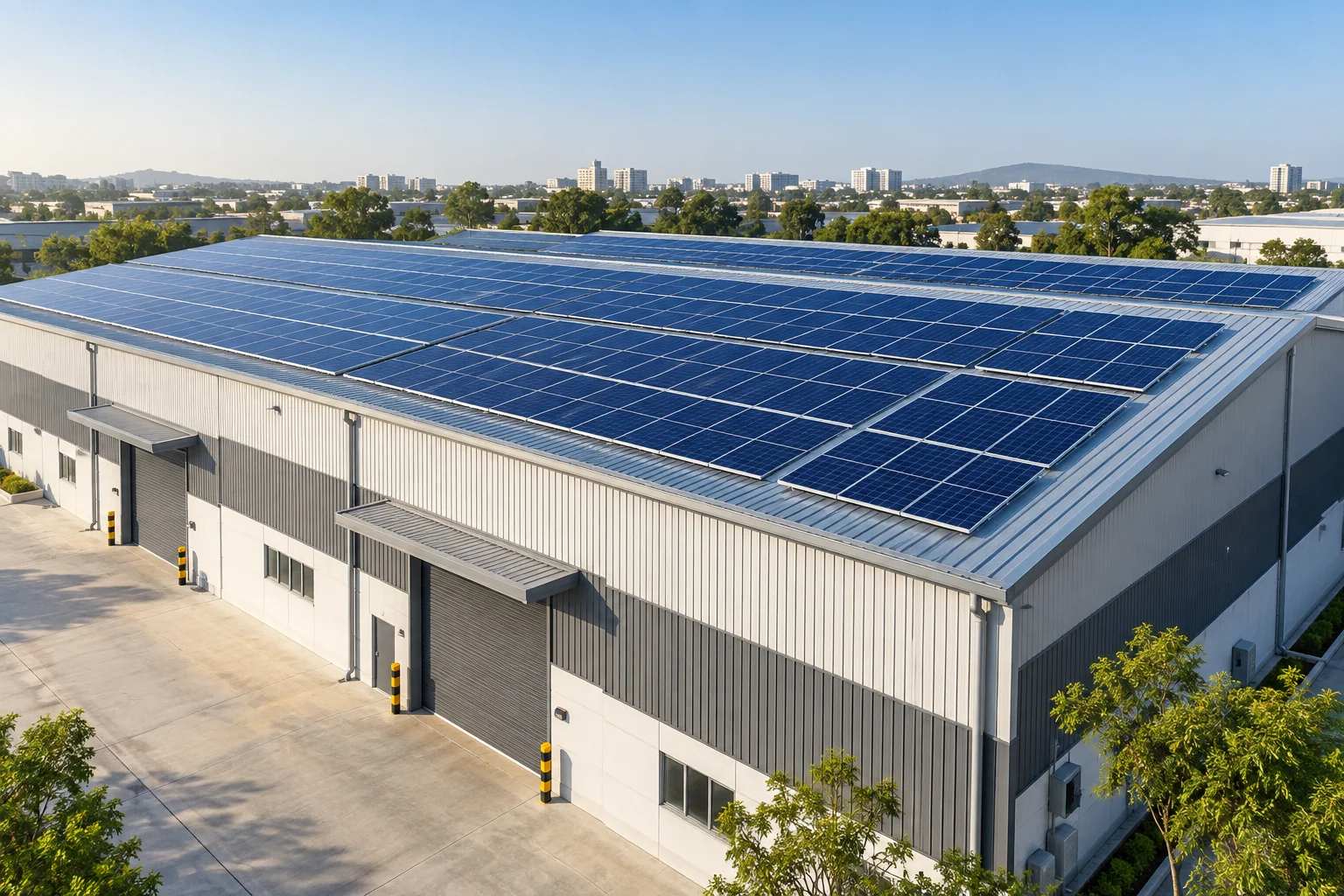
An error message or unexpected drop in generation can leave you wondering where to start. Share what you have noticed, the age of your installation and any available fault code. SolarQuery will clarify the issue with you and look for a relevant provider who can assess it safely.
Low solar output can have several causes, from weather and shading to an equipment fault or a monitoring problem. That is why a repair enquiry should begin with observations, not a preselected replacement part. A qualified provider can review the system history, inspect the installation and recommend further testing where it is justified.
Ask for the diagnosis and proposed remedy in writing before approving additional work. The report should distinguish an urgent safety issue from a performance concern and show what the provider has actually checked. SolarQuery helps you reach the right kind of specialist; repairs, warranties and payments are arranged directly with them. If there is smoke, fire or an immediate electrical hazard, seek urgent local assistance rather than waiting for an enquiry response.
What to include in the brief
A clear scope makes better conversations.
Choose the work you need, then agree the exact responsibilities with your provider.
01 / SCOPE
Inverter fault assessment
Share the displayed fault code, model and when the issue occurs. A technician can distinguish equipment problems from wider electrical or operating conditions, then explain whether repair, manufacturer support or replacement is the appropriate next step.
02 / SCOPE
Low-generation investigation
Compare generation records with the system’s history and local conditions. Ask the provider to consider weather, shading, soiling, outages and equipment condition before concluding that the panels have deteriorated or that a larger system is needed.
03 / SCOPE
Electrical fault diagnosis
Qualified personnel can assess wiring, connections, protective devices and related electrical equipment. Agree a clear inspection scope and safe access arrangements. Homeowners should not open equipment, handle exposed wiring or repeatedly reset a system that is tripping.
04 / SCOPE
Module and string testing
Where initial findings justify it, ask about detailed tests that can help locate underperforming sections. The provider should explain why the test is needed, what evidence it produces and how that evidence informs the proposed remedy.
05 / SCOPE
Thermal inspection
Thermal imaging can support an investigation into abnormal heating. Ask the specialist to interpret findings alongside operating conditions and other checks, rather than treating a coloured image alone as a complete diagnosis or a reason for replacement.
06 / SCOPE
Repair verification and records
After authorised work, request the findings, replaced-component details and commissioning or test records relevant to the repair. Agree how restored operation will be checked and whom to contact if the same symptom appears again.
Have a project in mind?
Tell us the location and the work required. Our team can help turn it into a clear enquiry.
Best suited to a specific error message, repeated trip or failed component. Share when it started and whether anything changed recently, such as building work or a storm, to help the provider prepare for the visit.
An unexplained performance drop
Useful when the system appears to run but generation is consistently below expectations. Supply historical readings and bills if available, and ask for a staged investigation that separates measurement problems from actual generation losses.
A wider plant condition assessment
Consider a broader review after prolonged downtime, a change of maintenance provider or recurring faults across a commercial plant. Agree the equipment coverage, test selection and prioritised findings expected in the final report.
A useful proposal connects the work, the site conditions and the responsibilities in writing.
Before you commit
The details worth discussing.
Make safety the first question
Describe visible damage or unusual smells from a safe location without approaching electrical equipment. Stay away from damaged panels, exposed cables and flooded equipment. A competent professional should decide the safe inspection and isolation process; a web enquiry is not emergency support.
Check warranty routes first
Keep installation invoices, serial numbers and previous service records available. Ask whether the installer or manufacturer needs to approve the work before another contractor intervenes. A product warranty, workmanship warranty and paid repair service can have different responsibilities and exclusions.
Separate diagnosis from repair approval
Confirm the visit or diagnostic fee and what it covers before booking. Ask the provider to request your approval for parts, extra testing or repeat visits. A well-defined first visit helps you compare offers without pretending the fault is already known.
Keep a useful record of symptoms
Note dates, error messages, unusual shutdown patterns and relevant changes at the property. Photographs of an accessible display can help, but never climb onto the roof or open a cabinet for evidence. Good observations help the provider investigate efficiently.
Cost and scope
Understand what shapes the quotation.
Repair pricing depends on the diagnosis. A first-visit fee may cover inspection but exclude parts, specialist testing, access equipment or further attendance. Ask for those boundaries clearly, then request an itemised repair proposal. Compare the expected benefit, warranty position and remaining equipment life before agreeing to a replacement.
System capacity and the equipment involved
Diagnostic depth and specialist instruments required
Site access, travel and repeat attendance
Replacement parts, manufacturer support and warranty status
From enquiry to provider conversation
A straightforward way to get started.
01 / YOUR REQUIREMENT
Tell us about the work.
Share the service, project PIN code and a short description. You can say you are unsure about the technical details.
02 / A CLEARER BRIEF
We confirm the details.
Our team follows up to understand the site and collect the information needed for a relevant provider enquiry.
03 / YOUR CHOICE
Discuss the next step.
We check for relevant local providers. If an introduction is possible, you compare the proposal and decide whether to proceed.
Tell us what you need
Let’s make the next step clear.
You do not need a finished specification. A few details help our team understand the job and check for suitable providers in your area.
PIN code and whether the system is residential or commercial
Installation age, capacity and inverter make/model
Fault message or description of the problem and when it began
Generation records and previous repair reports if available
Original installer details, invoices and relevant warranty documents
Free to enquire. You choose whether to accept a provider’s proposal. Project scope, contracts and payments are agreed directly with your chosen provider.
Explore the market
Service providers to explore.
A starting point for understanding the types of businesses working in this field.
These independent companies describe relevant services on their own websites. They are not a ranking or a list of confirmed SolarQuery partners. Check project size, location, service scope and current availability directly. For a SolarQuery introduction, send your requirement to our team.
Brand names are mentioned for information only; SolarQuery is not affiliated with these companies unless stated.
Ab
Assure by SolarSquare
Describes professional solar inspections and diagnostics for homeowners, including systems without ongoing original-installer support. Confirm current service coverage before arranging a visit.
Provides manufacturer support for SMA home-system inverters, including error analysis and a replacement process. This is brand-specific support rather than a general repair directory.
Lists plant-scale diagnostic capabilities including thermography, IV-curve testing and cable-fault location as part of its solar operations and maintenance offering.
Why are my solar panels producing less electricity?
Weather, seasonal sunlight, shading and dirt can affect generation, as can equipment faults. A monitoring connection problem may also make the figures look unusual. Compare records over a meaningful period and share them with a provider. One low reading does not establish that the panels are faulty.
My inverter keeps tripping. Should I keep resetting it?
Repeated trips need professional investigation. Repeatedly restarting the system can leave the underlying fault unresolved. Record the message from a safe position and contact an appropriate service provider or the manufacturer’s support team. Do not open the inverter or attempt electrical work to clear the fault yourself.
Can a provider repair a system installed by someone else?
Some providers accept existing installations from other installers, subject to assessment, location and equipment support. Mention this when you enquire and share the original records. Ask whether diagnostic work could affect an existing warranty and whether manufacturer authorisation is needed before repairs can proceed.
Does a thermal scan find every solar problem?
No. Thermal imaging can reveal unusual temperature patterns, but it is one tool within an investigation. The result needs interpretation and may require electrical or performance checks. Ask why it is recommended for your case and what additional evidence the provider will use before proposing corrective work.
Will SolarQuery send a technician immediately?
Our team first checks your requirements and looks for a relevant provider for your area and equipment. Attendance depends on that provider’s availability and agreed scope. This is not an emergency service. If immediate danger is present, keep clear and contact local emergency or electrical assistance.
Keep exploring
Another service might be a better fit.
If your project crosses more than one category, tell us in your enquiry. You do not need to start again for every requirement.