
Roof and shade survey
Ask for a measured layout that considers water tanks, nearby buildings, parapets, access and moving shadows. A usable roof area is not always the same as the total area mentioned in your property documents.
Your roof, electricity use and daily routine all matter when choosing home solar. Tell us where you live and what you want to achieve. SolarQuery helps clarify your requirements and look for independent residential solar installers who can assess your property, explain the options and prepare a site-specific proposal.

A home solar installation is more than a set of panels. It brings together the roof layout, mounting structure, inverter, electrical protection and an approved connection arrangement. The starting point is your electricity use: daytime appliances, seasonal air-conditioning, existing backup and any plans for an electric vehicle. Those details help an installer recommend a sensible system size.
You do not need to choose equipment before speaking to someone. Share your PIN code, a recent electricity bill and a little about your roof. Our team checks the enquiry before looking for suitable providers. If a provider is available, you can discuss the survey, quotation and installation directly with them. SolarQuery connects you with independent businesses; the installation contract and payments remain between you and your chosen provider.
Choose the work you need, then agree the exact responsibilities with your provider.
Ask for a measured layout that considers water tanks, nearby buildings, parapets, access and moving shadows. A usable roof area is not always the same as the total area mentioned in your property documents.
The proposal should explain why a particular capacity suits your consumption and roof. It should show where panels, the inverter and cable routes will go, with room left for inspection, cleaning and essential roof access.
Agree the scope for mounting, wiring, protection devices, earthing and commissioning before work starts. Ask who handles any roof repairs, cable concealment or changes to your existing electrical distribution board.
Your installer can explain the application and metering steps relevant to your distribution company. Confirm who submits documents, who follows up and which official charges are outside the installation quotation.
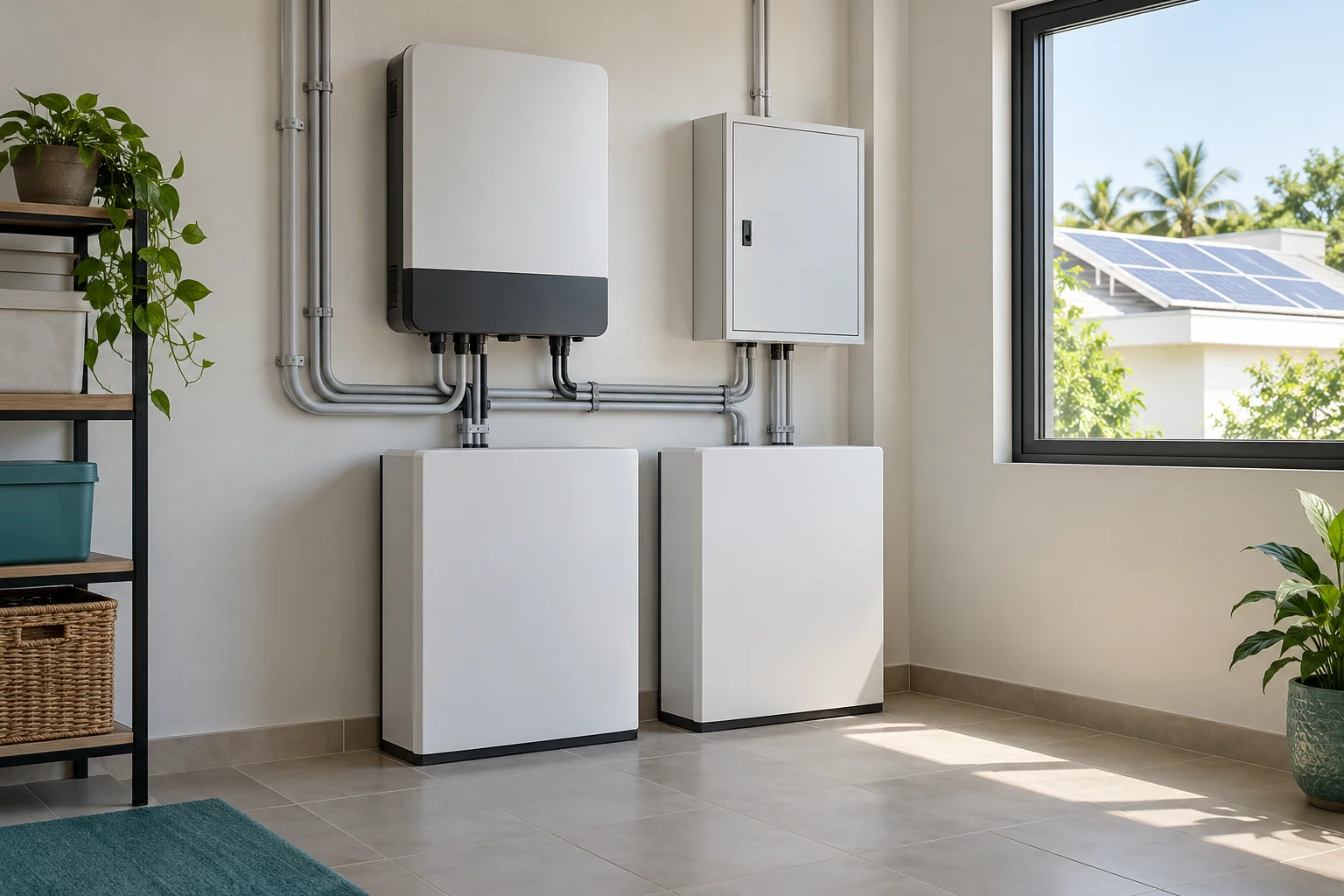
If evening use or outages matter, discuss them at the design stage. Ask whether the proposed inverter supports a future battery and what additional equipment would be needed for selected backup circuits.
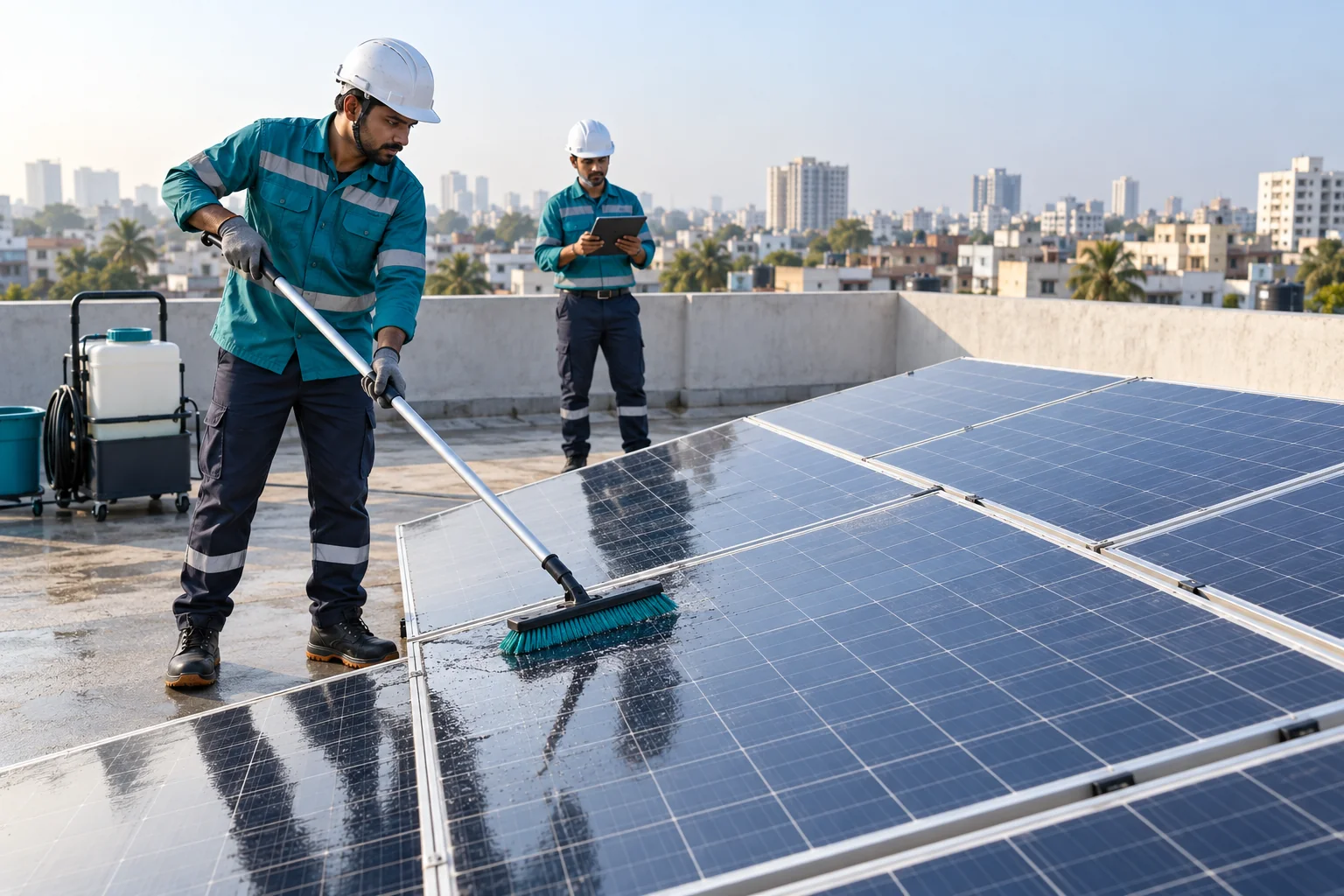
Request system drawings, invoices, warranty documents, monitoring access and a named service contact. A practical handover should also explain the shutdown procedure and how to recognise a fault without opening electrical equipment.
Tell us the location and the work required. Our team can help turn it into a clear enquiry.

A useful proposal connects the work, the site conditions and the responsibilities in writing.
Share several months of consumption if you can. A bill from a mild-weather month may miss summer demand, while a high bill may include fixed charges that solar will not remove. Ask for the assumptions behind estimated savings.
Tell the installer about leaks, repairs or a planned additional floor. Obtain a competent structural assessment where needed. Solving roof issues before installation is usually easier than moving an installed system to reach the underlying problem.
Two quotations with the same headline capacity can include different work. Compare equipment model numbers, structure specifications, electrical protection, application charges, installation warranty and service visits. Ask for every exclusion to be written down.
Eligible households may explore PM Surya Ghar through the official portal. Check current eligibility, technical requirements and the application route before committing. A quotation or an enquiry through SolarQuery is not an approval or a promise of assistance.
The right question is what a complete, suitable installation will cost at your property. A provider needs the roof and electricity details before giving a dependable quote. Ask for the total payable amount, taxes, exclusions and payment milestones, with any potential assistance shown separately rather than treated as money already received.
Share the service, project PIN code and a short description. You can say you are unsure about the technical details.
Our team follows up to understand the site and collect the information needed for a relevant provider enquiry.
We check for relevant local providers. If an introduction is possible, you compare the proposal and decide whether to proceed.
You do not need a finished specification. A few details help our team understand the job and check for suitable providers in your area.

Free to enquire. You choose whether to accept a provider’s proposal. Project scope, contracts and payments are agreed directly with your chosen provider.
A starting point for understanding the types of businesses working in this field.
These independent companies describe relevant services on their own websites. They are not a ranking or a list of confirmed SolarQuery partners. Check project size, location, service scope and current availability directly. For a SolarQuery introduction, send your requirement to our team.
Brand names are mentioned for information only; SolarQuery is not affiliated with these companies unless stated.
Provides residential rooftop surveys, system design, installation, net-metering support and after-sales services. Its published residential page lists specific Indian states served.
Published coverage includes Andhra Pradesh, Telangana, Maharashtra, Madhya Pradesh, Uttar Pradesh and KeralaView company service information (opens in a new tab)Offers rooftop solar assessment and installation for homes, with system design and aftercare through its published Indian service network. Confirm local project availability directly.
India; local availability requires confirmationView company service information (opens in a new tab)These answers can help you prepare. Your provider should confirm the details for your property and the work required.
Begin with electricity consumption in units, your daytime usage and usable roof area. An installer should also check your connection and local approval conditions. Avoid selecting a capacity just because a neighbour installed it. Ask for an estimate that explains generation, self-use, exports and the assumptions behind each.
A conventional grid-connected system normally stops supplying power during an outage for safety. Backup requires equipment designed to operate safely while isolated from the grid. Tell the provider which appliances must remain on and for how long, so they can propose suitable backup circuits and storage.
Possibly, but a site survey matters. A provider can assess the shade pattern, usable layout and expected output before recommending a system. A smaller, well-sited array may be more appropriate than filling every available space. Roof rights, access and structural suitability still need to be established.
You can request a provider who understands residential rooftop applications. Our team can include that need in your verified enquiry. Scheme eligibility and approval remain with the relevant authorities, and the provider should explain their assistance scope. Use the official PM Surya Ghar portal for the current process.
Our team calls to confirm the location and collect the information a provider will need. We then look for businesses that match the service and area. Eligible providers may contact you when available. You decide whether to proceed after discussing the survey, written scope, quotation and terms.
If your project crosses more than one category, tell us in your enquiry. You do not need to start again for every requirement.
Brand names are mentioned for information only; SolarQuery is not affiliated with these companies unless stated.
Illustrative service areas · availability unconfirmed