The structure carries the panels and transfers their loads to the roof or ground. Its design deserves attention long before installation day. SolarQuery helps you describe your site and look for independent providers for mounting-structure assessment, engineering and installation services, whether you are planning a new array or reviewing an existing one.
Strong design starts with the site, not a standard frame.
A solar mounting structure has to suit the building or land, panel dimensions and environmental conditions. For a rooftop, the roof and its supporting structure form part of that discussion. For a ground array, the foundation and soil conditions matter. Height, layout and maintenance access should be resolved together rather than added after the panels have been selected.
Use SolarQuery to request a service enquiry for design review, installation coordination or assessment of an existing structure. Our team clarifies what you need and looks for suitable independent businesses where available. The provider should state whether its scope includes calculations, drawings, fabrication coordination, installation or inspection. SolarQuery is a connection platform and does not act as the structural engineer, contractor or equipment seller.
What to include in the brief
A clear scope makes better conversations.
Choose the work you need, then agree the exact responsibilities with your provider.
01 / SCOPE
Site and existing-structure review
Start with roof drawings, site measurements and any records of alterations. Tell the provider about leaks, corrosion or movement. An initial review should establish what information is missing before anyone proposes a mounting arrangement.
02 / SCOPE
Layout and load coordination
Ask for a layout that respects panel dimensions, roof features and required access. A competent engineering team should identify the relevant design basis and how loads will transfer through connections into the supporting structure.
03 / SCOPE
Roof attachment planning
Mounting details should suit the actual roof construction. Discuss attachment locations, compatibility, weather sealing and inspection access. If a roof warranty exists, clarify how the proposed work affects it before approving drilling or clamping.
04 / SCOPE
Ground foundation coordination
For ground arrays, confirm what surveys and ground information the designer needs. Foundation choice, anchorage and corrosion exposure belong in the scope. A design from a different site should not be assumed suitable without review.
05 / SCOPE
Installation supervision and checks
Agree how alignment, fasteners, protective finishes and installation records will be checked. The handover should identify the installed arrangement and any deviations from the approved drawings, with responsibility for resolving incomplete work.
06 / SCOPE
Retrofit and condition assessment
An older system may need a review before larger panels, added capacity or a revised layout are installed. Ask the provider to assess the existing supports and connections rather than assume they can carry the proposed changes.
Have a project in mind?
Tell us the location and the work required. Our team can help turn it into a clear enquiry.
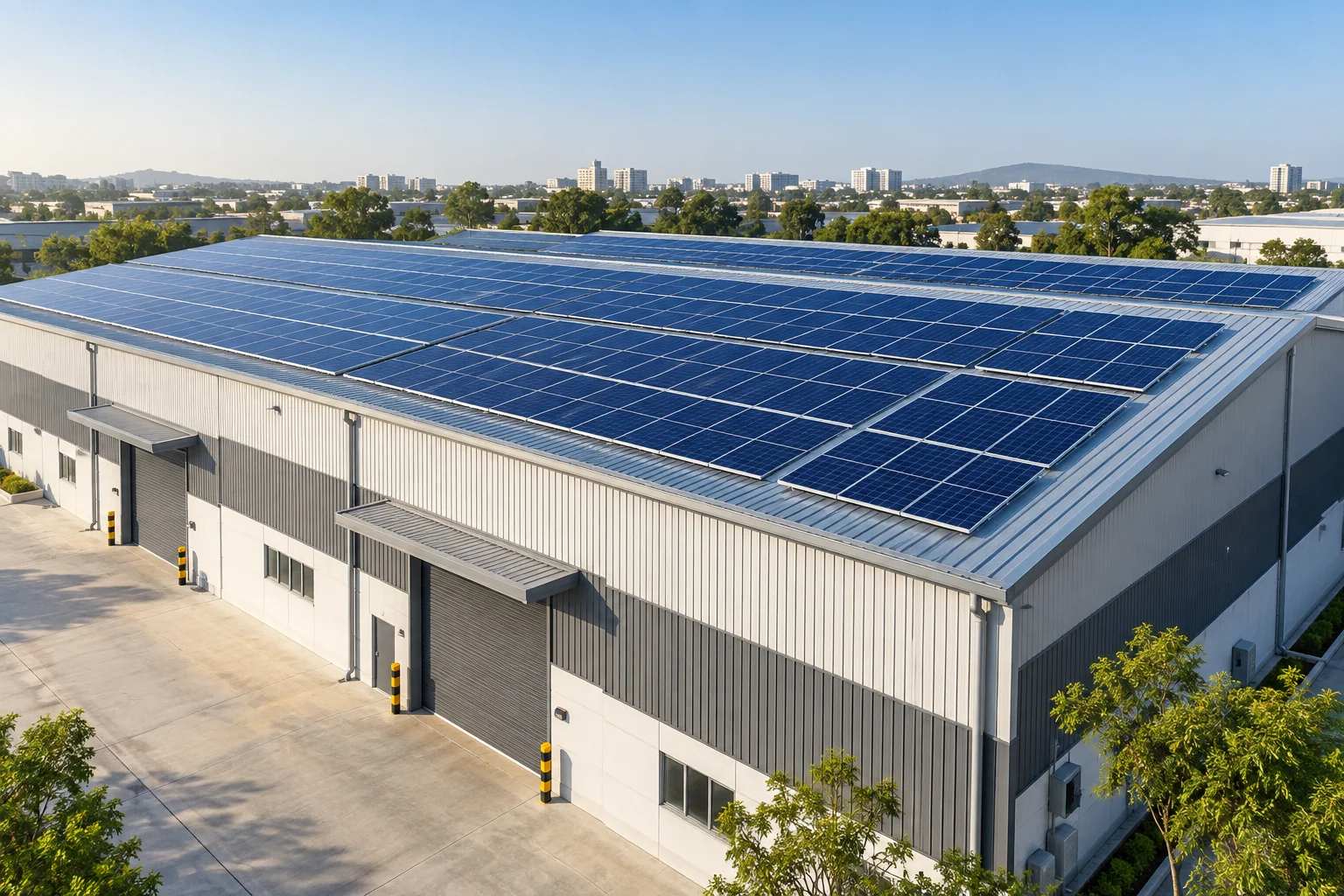
Suitable designs differ between flat concrete roofs, metal sheets, standing seams and other roof types. Discuss roof condition, attachments, usable space and maintenance routes. The structure and building must be assessed as one connected system.
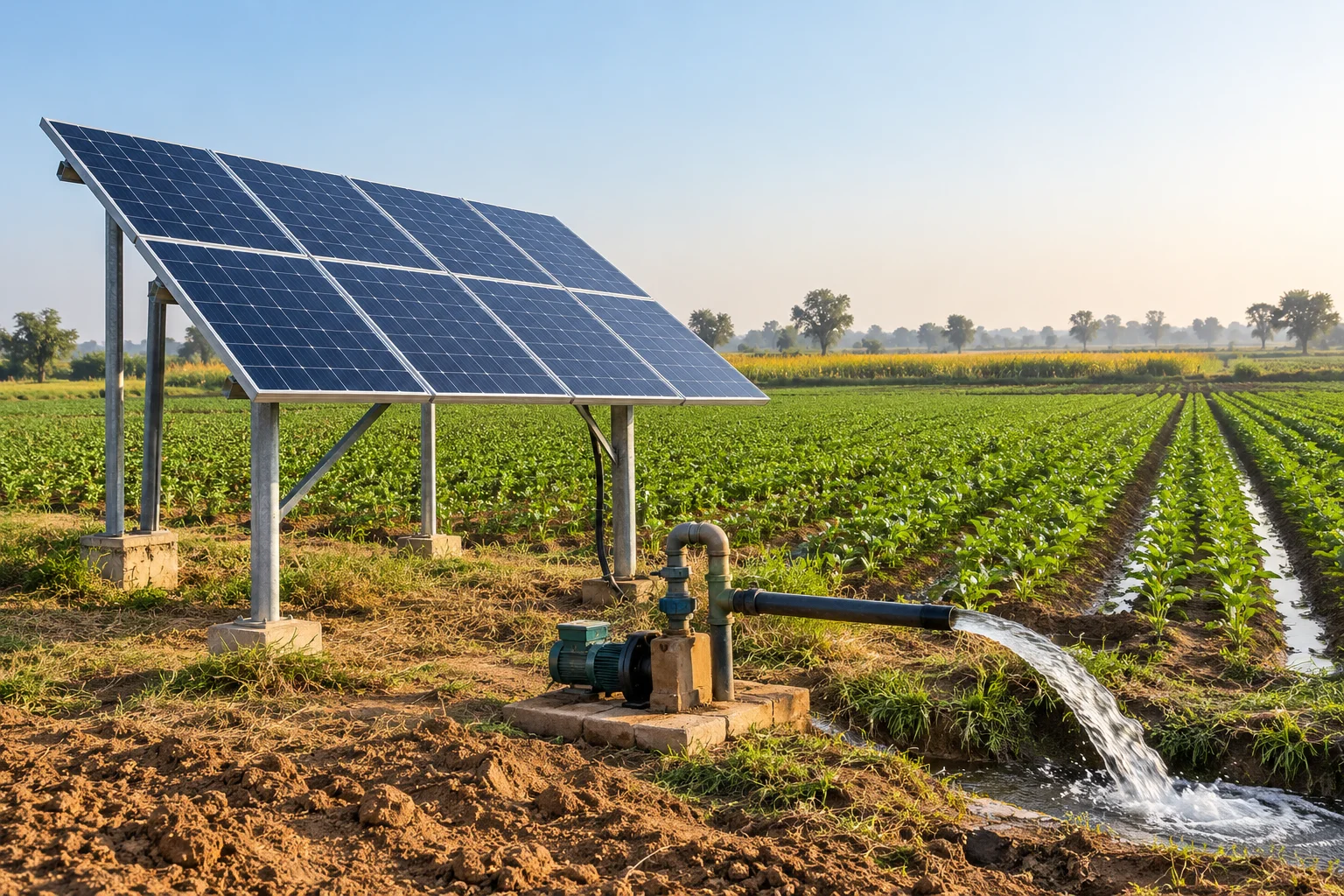
Ground-mounted support systems
A dedicated frame and foundation can support an array on suitable land. The proposal should address ground conditions, levels, row spacing, local exposure and access, with responsibilities for civil works and drainage clearly allocated.
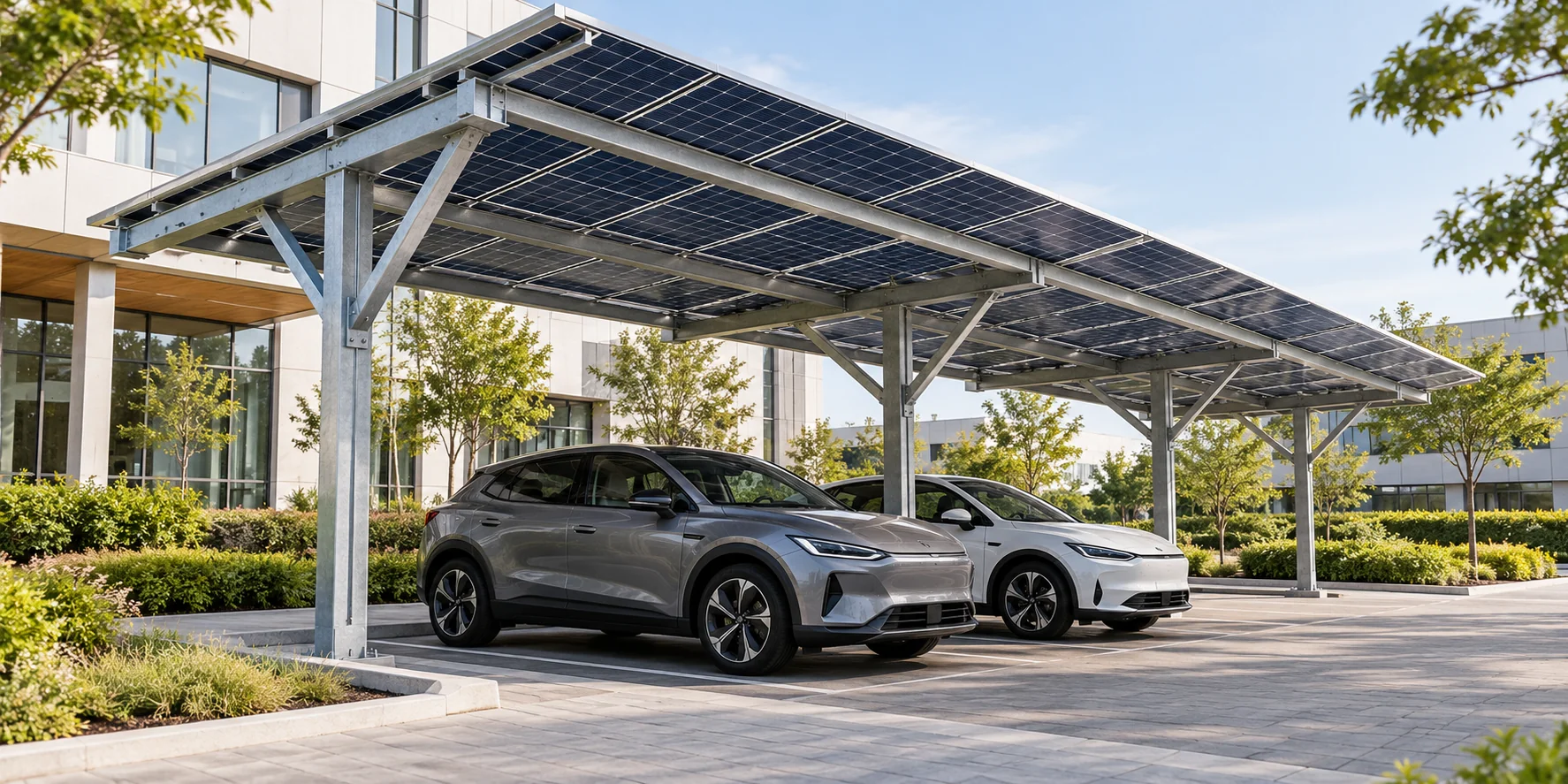
Solar carports and elevated structures
Parking canopies and raised arrays combine solar with usable space underneath. Define clearances, vehicle movement, drainage and the intended use from the start. A general-purpose elevated frame is not automatically suitable for occupied or parking areas.
A useful proposal connects the work, the site conditions and the responsibilities in writing.
Before you commit
The details worth discussing.
Ask for the design basis
Request the assumptions and applicable design criteria in a form your project team can review. Location, height and exposure matter. Broad claims such as heavy-duty or all-weather do not replace site-specific engineering, drawings and a defined approval process.
Resolve corrosion exposure
Coastal, industrial and other demanding environments may need a different material and protective-finish strategy. Ask how the provider addresses cut edges, fasteners and contact between different metals. Maintenance and inspection requirements should be consistent with the chosen approach.
Protect roof function
An array must coexist with roof drainage, waterproofing, equipment and access. Discuss ponding, blocked outlets and future repair work before installation. Confirm who is responsible if the mounting work affects weather sealing, and keep the agreed details in the contract.
Keep changes under review
Replacing panels with a different size, raising the array or adding rows can affect the original design. Have changes checked before work begins. Keep final drawings and inspection records so future service teams understand what was actually approved and installed.
Cost and scope
Understand what shapes the quotation.
A structure-services quote should make clear whether you are paying for engineering only, installation only or a coordinated package. Request an itemised scope with the assumptions behind it. Compare deliverables, review responsibility and handover records alongside the price; the least expensive frame may not address the actual building or site requirements.
Roof or ground conditions and the availability of reliable drawings
Height, span, layout and panel configuration
Material, protective finish and connection requirements
Survey, engineering review, site access and installation scope
From enquiry to provider conversation
A straightforward way to get started.
01 / YOUR REQUIREMENT
Tell us about the work.
Share the service, project PIN code and a short description. You can say you are unsure about the technical details.
02 / A CLEARER BRIEF
We confirm the details.
Our team follows up to understand the site and collect the information needed for a relevant provider enquiry.
03 / YOUR CHOICE
Discuss the next step.
We check for relevant local providers. If an introduction is possible, you compare the proposal and decide whether to proceed.
Tell us what you need
Let’s make the next step clear.
You do not need a finished specification. A few details help our team understand the job and check for suitable providers in your area.
Project location and whether it is coastal or industrial
Roof type or ground-site details with safe-to-take photographs
New installation, extension, carport or existing-condition review
Panel layout and dimensions if already selected
Available structural drawings, prior approvals and known defects
Free to enquire. You choose whether to accept a provider’s proposal. Project scope, contracts and payments are agreed directly with your chosen provider.
Explore the market
Service providers to explore.
A starting point for understanding the types of businesses working in this field.
These independent companies describe relevant services on their own websites. They are not a ranking or a list of confirmed SolarQuery partners. Check project size, location, service scope and current availability directly. For a SolarQuery introduction, send your requirement to our team.
Brand names are mentioned for information only; SolarQuery is not affiliated with these companies unless stated.
PI
Pennar Industries
Describes solar structure services spanning design consultation, detailed engineering and installation, with rooftop, ground-array and carpark applications in its published portfolio.
Provides solar mounting design assistance and installation documentation for roof, ground and carport systems. Confirm whether a proposal includes site installation or engineering support.
Do I need a structural assessment before adding rooftop solar?
The provider should establish that the roof and supporting structure are suitable for the proposed installation. The extent of assessment depends on the building, records and design. Share any known defects or previous alterations and ask who takes responsibility for the structural review and resulting recommendations.
Can I use the same mounting design at two different sites?
Only after the relevant engineering checks confirm it is appropriate. Similar-looking roofs or plots can have different support conditions, exposure, soil or access constraints. Reuse of a layout does not remove the need to verify the design basis and attachment or foundation details for each installation.
Is a non-penetrating roof mount always the better option?
No mounting approach is universally suitable. A non-penetrating or ballasted arrangement still imposes loads and must resist movement safely. A penetrating arrangement needs appropriate structural attachment and weather sealing. Ask the engineer to explain why the selected method suits the actual roof and project conditions.
Can an existing structure support more or larger solar panels?
That needs a review before the changes are made. Added panels, different dimensions or a higher frame can affect loads, connections and layout. Provide the original drawings and equipment information if available. The provider should identify any strengthening, revised design or additional inspection needed.
What should I receive when structure work is complete?
Ask for the agreed drawings, installation records, applicable inspection results and maintenance instructions. The handover should identify any approved changes and the contractor responsible for defects. Keep these records with the wider solar-system documents so future repairs, panel replacement or roof work can be planned sensibly.
Keep exploring
Another service might be a better fit.
If your project crosses more than one category, tell us in your enquiry. You do not need to start again for every requirement.