
Existing-system health review
Establish what is installed, how it performs and which components still have useful life. Ask for a written baseline using the system documents, generation history and findings from a professional site inspection.
Your electricity needs may have changed since your panels went up. Perhaps you want more capacity, battery backup or a better way to track performance. Start with an assessment of the system you have, then compare improvements that make sense for your property and budget without replacing healthy equipment unnecessarily.
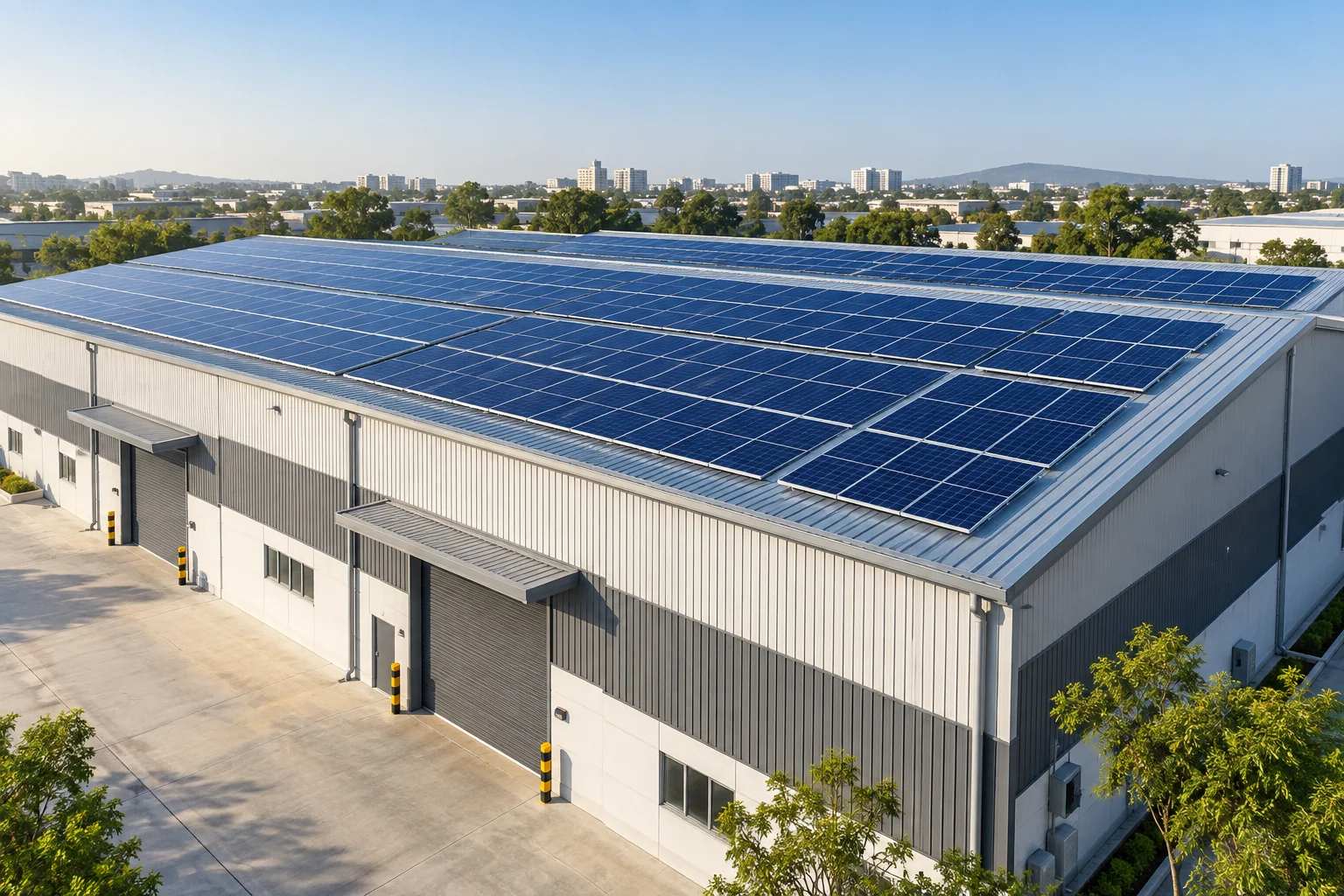
An upgrade can be a small, targeted change or a wider repowering project. The useful starting point is the reason for it: higher consumption, recurring equipment problems, limited roof space or a need for backup. A larger electricity bill alone does not prove the panels need replacing; consumption and tariffs may have changed too.
A provider should examine the installation and compare repair, expansion and replacement options. The proposal should explain which assets remain, the limits of the existing setup and the expected benefit of each change. SolarQuery helps you describe the project and seek a relevant independent specialist. Final design, permissions, supply arrangements and project payment are agreed directly with the provider you select.
Choose the work you need, then agree the exact responsibilities with your provider.
Establish what is installed, how it performs and which components still have useful life. Ask for a written baseline using the system documents, generation history and findings from a professional site inspection.
Explore additional panels when electricity demand has grown and suitable space is available. A provider should assess the roof, inverter limits, electrical infrastructure and connection conditions before proposing an expansion or a separate array.
An ageing or unsupported inverter may need a carefully matched replacement. Request the reasoning for the chosen model, compatibility checks, warranty details and a plan for commissioning the changed system rather than a like-for-like assumption.
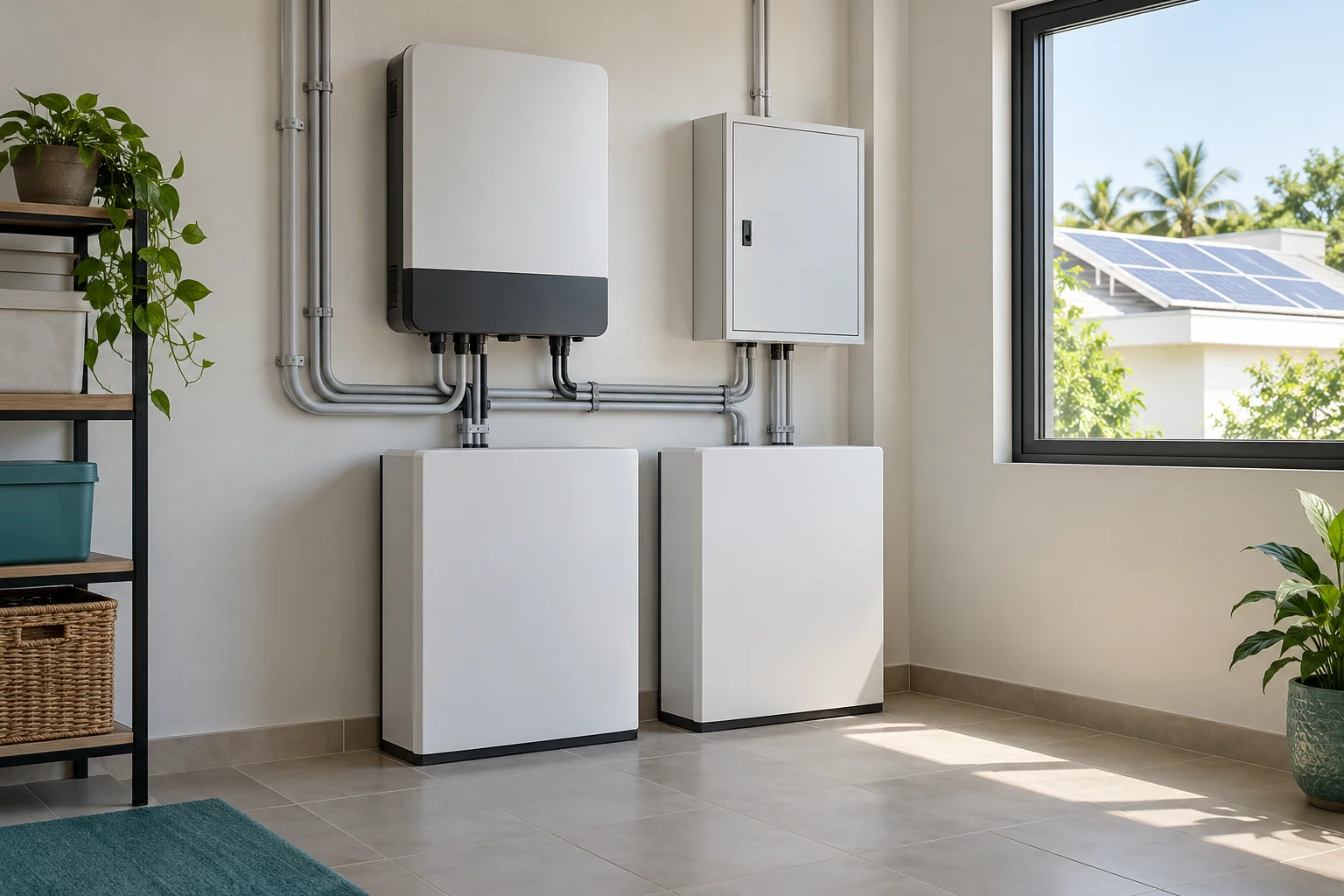
If backup or evening consumption is the priority, ask whether a storage addition can meet that need. Compare integration choices and confirm the supported loads, controls and electrical modifications before approving a hybrid system upgrade.
Better visibility may address your concern without a larger array. Assess a monitoring retrofit, improved metering or control-system update that helps you distinguish low generation, communication gaps and changes in the way electricity is used.
For larger assets, request a structured plan for replacing selected modules, inverters or other ageing infrastructure. Include performance assessment, outage planning, recommissioning and a documented route for removed equipment in the agreed project scope.
Tell us the location and the work required. Our team can help turn it into a clear enquiry.

A useful proposal connects the work, the site conditions and the responsibilities in writing.
Panels, inverters, connectors and protection equipment work as a system. Ask the engineer to verify the proposed combination and explain any limitations. Matching a brand name or a wattage figure alone does not establish that new equipment is suitable.
Tell the provider your existing sanctioned load and connection arrangement. A capacity or configuration change may require permission or updated documentation. Ask who will confirm the applicable DISCOM requirements before work starts, rather than assuming the original approval covers everything.
If the roof needs repairs, agree the sequence before buying additional panels. Request a review of mounting condition, access and space for safe servicing. Separate building repairs from solar work in the quotation so responsibility for each is clear.
Agree how the provider will document the upgrade and evaluate it after commissioning. Comparing two sunny days is not enough to establish long-term improvement. Ask for assumptions on weather, equipment availability and changed energy use to be stated alongside any projection.
The cost depends on how much of the existing system can sensibly remain. Ask for alternatives that separate essential repairs from optional improvements. A proposal should show equipment changes, engineering, installation, approvals support, commissioning and removal arrangements, with any expected performance improvement explained rather than presented as a guaranteed percentage.
Share the service, project PIN code and a short description. You can say you are unsure about the technical details.
Our team follows up to understand the site and collect the information needed for a relevant provider enquiry.
We check for relevant local providers. If an introduction is possible, you compare the proposal and decide whether to proceed.
You do not need a finished specification. A few details help our team understand the job and check for suitable providers in your area.

Free to enquire. You choose whether to accept a provider’s proposal. Project scope, contracts and payments are agreed directly with your chosen provider.
A starting point for understanding the types of businesses working in this field.
These independent companies describe relevant services on their own websites. They are not a ranking or a list of confirmed SolarQuery partners. Check project size, location, service scope and current availability directly. For a SolarQuery introduction, send your requirement to our team.
Brand names are mentioned for information only; SolarQuery is not affiliated with these companies unless stated.
Publishes India repowering services covering modules, inverters, structures, electrical systems, monitoring and recommissioning. Ask about suitability for your installation size and location.
India; solar plant and rooftop project servicesView company service information (opens in a new tab)Lists repowering alongside technical assessment, testing and asset-management services. Its capabilities are relevant to owners investigating improvements to existing renewable-energy assets.
India; renewable-energy asset managementView company service information (opens in a new tab)These answers can help you prepare. Your provider should confirm the details for your property and the work required.
Sometimes, but an engineer must check the existing inverter and system design. Space on the roof does not confirm electrical compatibility. Ask the provider to explain the permitted arrangement, whether separate equipment is needed and what documentation or approval changes must be completed for the proposed expansion.
First compare electricity usage, tariff changes and solar generation over an appropriate period. A higher bill may reflect more consumption rather than a solar fault. Share those records so the provider can distinguish an expansion need from a repair, maintenance issue or change in energy-use habits.
Repowering means renewing selected parts of an existing solar installation to address ageing, performance or operating needs. It may involve modules, inverters, controls or other infrastructure. The scope should come from an assessment of the asset and a comparison of practical alternatives, not a blanket recommendation to replace everything.
That is often worth investigating. A storage specialist can review the panels, inverter and electrical arrangement, then explain suitable integration options. Ask specifically how backup will operate during an outage, what loads it will support and whether the changes affect warranties or existing connection conditions.
Agree responsibility before the work starts. Ask whether components will be retained for justified reuse, returned through a manufacturer route or sent to an appropriate recycling facility. Request a record of what was removed and where it went, especially when a larger plant is being repowered.
If your project crosses more than one category, tell us in your enquiry. You do not need to start again for every requirement.
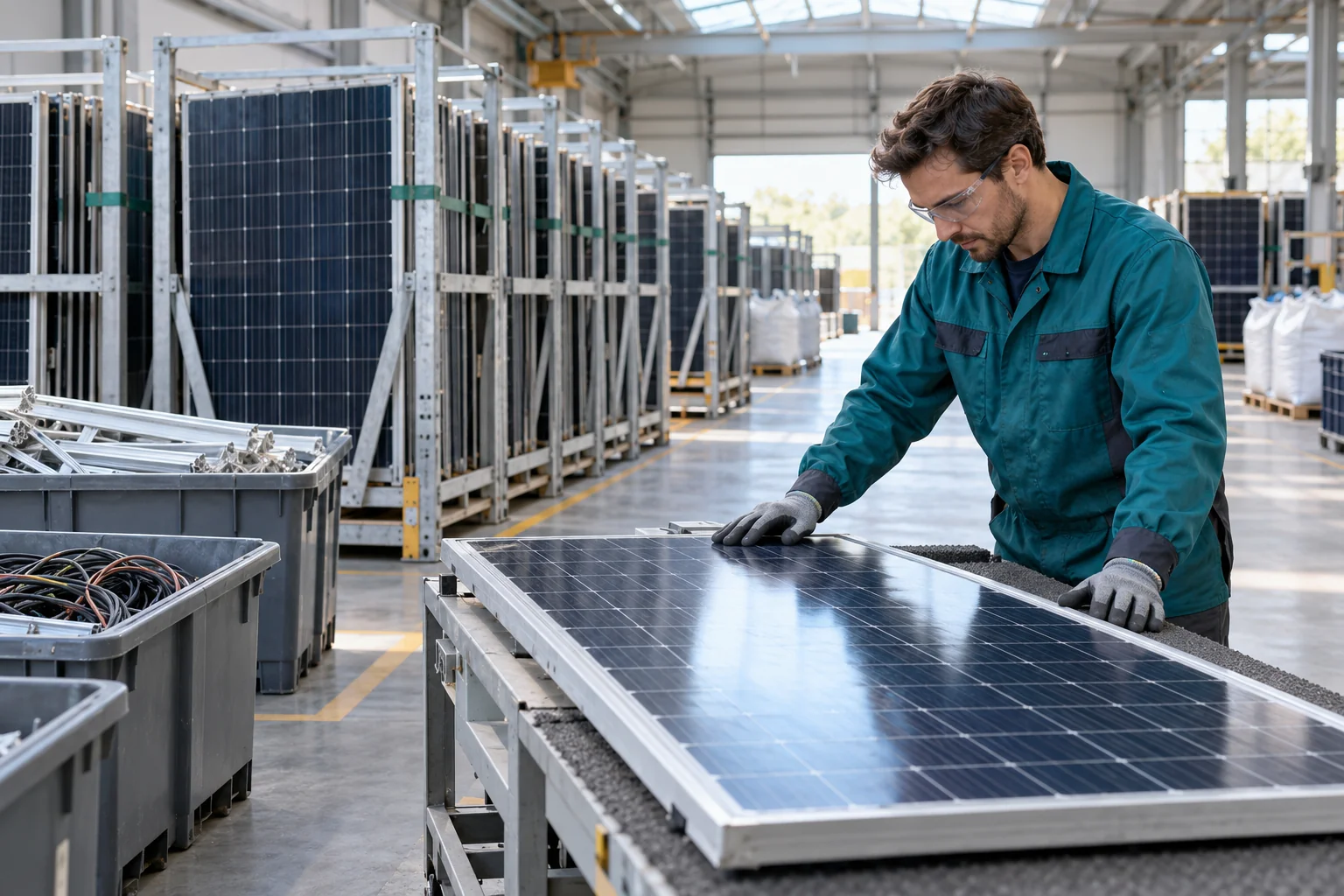
Removal and site-restoration planning
Explore solar decommissioning & recyclingBrand names are mentioned for information only; SolarQuery is not affiliated with these companies unless stated.
Illustrative service areas · availability unconfirmed